
The Conservation Room, and what it is telling us
The most telling thing about a safari lodge is no longer its view. It’s what the lodge has chosen to build at its centre and who, decades from now, that choice is designed to protect.
By Anna Walker Travel
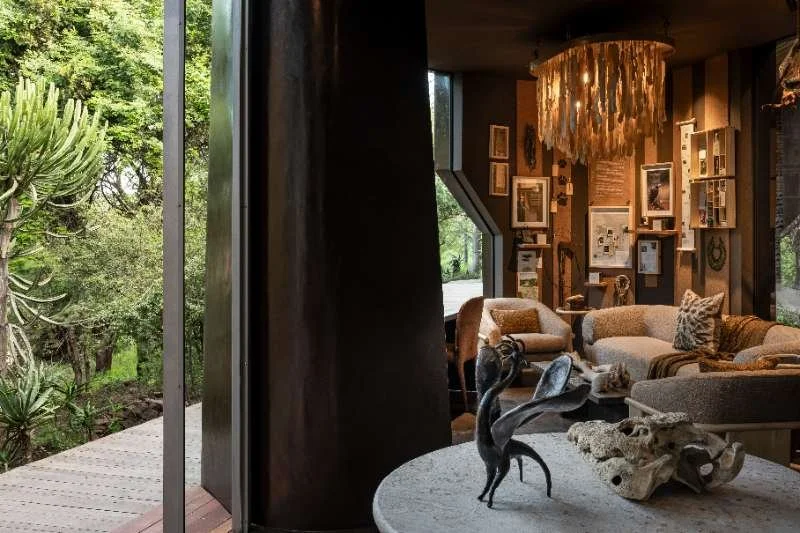
The Room With A Different Kind Of View
At Singita Kwitonda Lodge in Rwanda, there’s a room that doesn’t contain a bar, a fireplace or a view onto a waterhole. Instead, in this room is a wall of conservation information, a private collection of Bob Campbell’s photographic equipment (the wildlife photographer best known for his work alongside Dian Fossey), a set of iMacs, books, maps, and a specialist conservationist who knows the surrounding forest and its gorilla families intimately. It’s what Singita calls their “Conservation Room”. On the evening before a gorilla trek, this is where guests gather, with a glass of the finest wine in hand (personally selected from their wine cellar), to comfortably sit, listen and learn about what they’re about to see and why it still exists to be seen at all.
Whilst we haven’t yet been to Kwitonda ourselves, the design intent of Singita’s Conservation Room is unmistakable, and the same idea now appears at their Lebombo Lodge and at the architectural centre of their Ebony Lodge in the Sabi Sand, where one has been placed at the heart of the recently refreshed main building and openly described as the spatial expression of Singita’s hundred-year purpose. That a luxury safari operator has chosen to put a room about conservation and not a room with a view onto wildlife, but a room about why the wildlife is still there, at the centre of the guest experience is worth writing about, because for us it says something about where this industry has arrived, and where it’s headed.
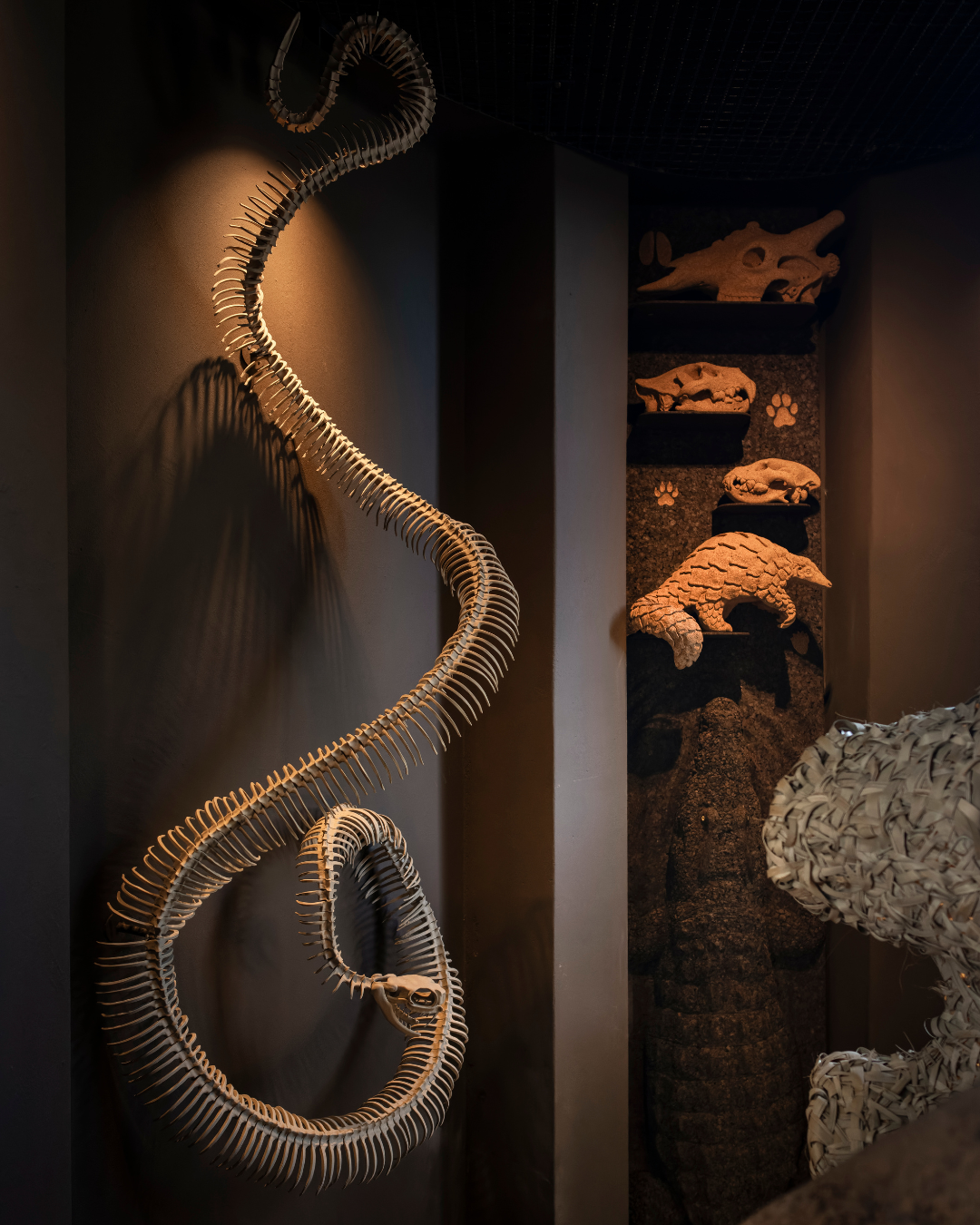
From Programme To Principle
For most of the last twenty-five years, conservation at safari lodges has tended to be a bit of a programme: something the lodge does in parallel with the business of hosting its guests, sometimes mentioned at dinner or visible on a website.
The idea and creation of a Conservation Room, though, makes it much more tangible. It is something guests don’t just hear about but can physically touch and feel more immersed in. Conservation now isn’t just adjacent to the guest experience; it’s becoming central to it.
Some of the most considered operators in sub-Saharan Africa are moving from conservation as an addendum to conservation as the operating logic, the thing the architecture, staffing, guiding and guest programme are all built around. Singita is a good and long-standing example: the Grumeti Fund in Tanzania, fiscally independent from the lodge business and supported by guest donations and philanthropic giving, has been quietly funding anti-poaching, ecological monitoring and community work in the western Serengeti for years. The lodge and the fund are now designed to be inseparable.
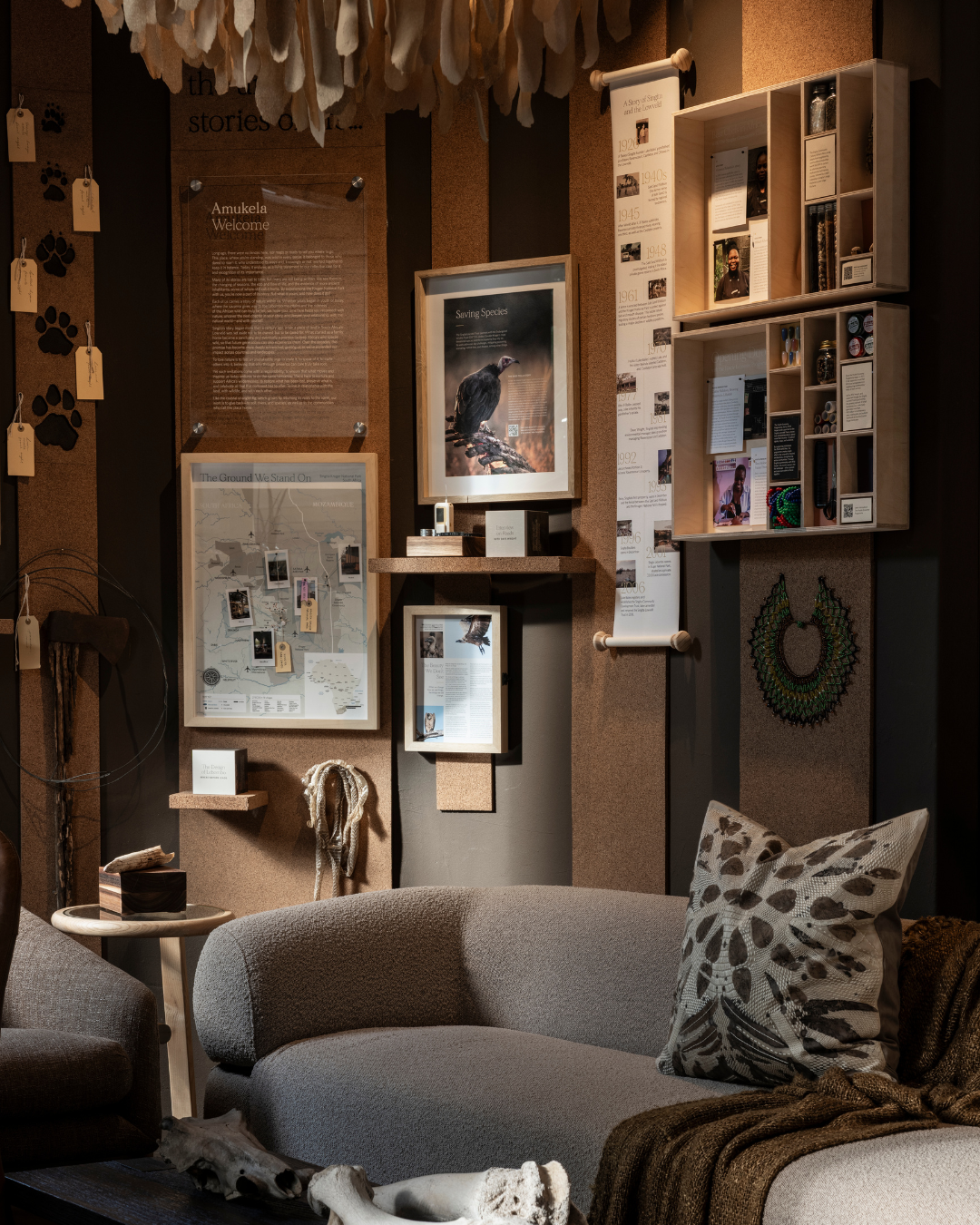
Who Pays For What And How Visible It Is
One of the clearer signs that conservation has moved from claim to practice is that the better operators have started naming the numbers. Volcanoes Safaris’ Kibale Lodge in Uganda, for instance, contributes a transparent per-guest-per-night figure to the Volcanoes Safaris Partnership Trust, which funds work across the company’s gorilla and chimpanzee circuits in Uganda and Rwanda. Natural Selection, operating across Botswana and Namibia, commits a percentage of every booking to its independent conservation NGO, over and above any conservation levy charged on the nightly rate, and publishes impact reports against named partner projects. The figures matter less than the principle they signal: a willingness to be specific and transparent about where guest money goes.
This kind of transparency is, frankly, the easiest test to set a lodge before partnering with it. Vague language about “supporting local communities” or “contributing to conservation” remains common. Specific language, whether it be a percentage, a named trust, an annual report or a project that can be checked, is rarer, and reliably distinguishes operators who are doing the work from those who are simply describing it.
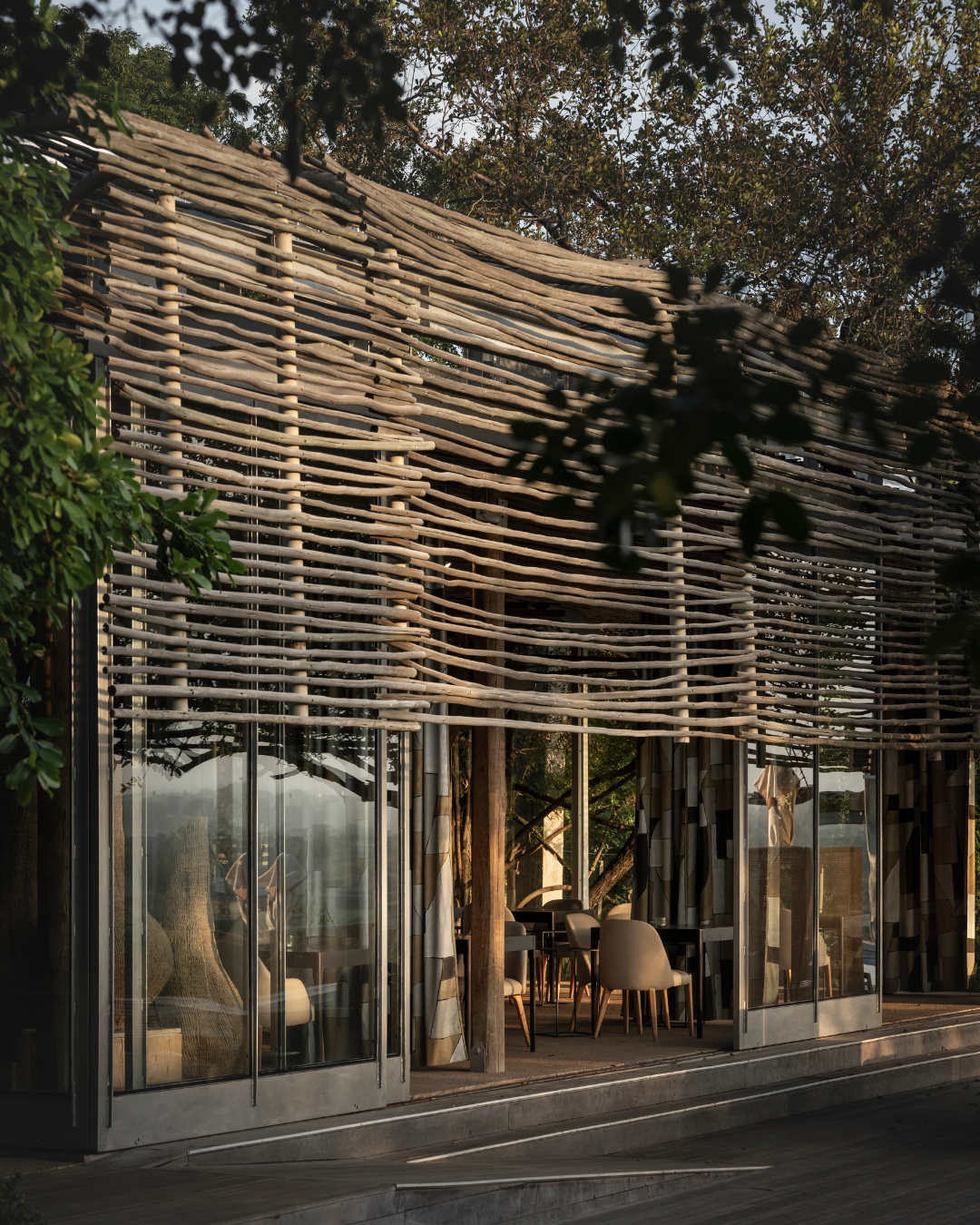
Architecture, Community And Who Pays For What
The conservation-led changes are becoming more visible in the buildings themselves as well. The most thoughtful new lodges are being constructed using locally sourced materials, by local craftspeople, in architectural languages that belong to the place. Kwitonda’s woven ceilings and hand-fired terracotta brickwork are one example. Erebero Hills, the new Asilia property opening on the edge of Uganda’s Bwindi Impenetrable Forest, is another where the lodge is reforesting a buffer zone around its 18 hectare footprint, working to restore forest access for the Batwa community, and creating livelihood opportunities for surrounding villages as part of how it operates rather than as a separate philanthropic side note.
This matters because the fabric of a lodge tells you, often more honestly than its literature, what it values. A lodge built from imported materials, staffed largely from outside the region, with conservation activity confined to a glossy printed leaflet at turndown, is a lodge that has placed its emphasis somewhere other than the place it’s built in and around. A lodge built from local timber and clay, employing the surrounding village, contributing visibly to a named conservation trust, and devoting a room at its centre to the story of how the landscape has been protected, is a lodge that has placed its emphasis squarely on the place. Both can be beautifully designed. But they’re not, in any meaningful sense, the same kind of business.

Why This Changes How We Work
&Beyond, one of the longest-established operators in this space, has framed its approach around three commitments: Care of the Land, Care of the Wildlife, Care of the People, which the trade press has fairly described as one of the more honest attempts in the industry to articulate what responsible tourism actually looks like in practice. Their framework is useful because it acknowledges that the three concerns are inseparable: land protected without community involvement doesn’t stay protected; wildlife conserved without the land it depends on is more or less just a museum piece; and communities supported without the broader ecology that sustains them are left exposed to the next pressure that comes along.
“Conservation, properly understood, is a single project with three faces: the land, the wildlife, and the people.”
The Conservation Room, at Kwitonda or Ebony, is one operator’s way of making this argument visible to guests in a physical way. Others make it visible through architecture, through transparent funding, through the people who staff the lodge, through what guests are invited to participate in rather than merely observe. The form can vary, but the underlying shift doesn’t.
For us, this is the most useful development in luxury safari travel in the last decade, and it shapes how we choose partners. The questions we ask of a lodge or camp before recommending it haven’t changed: who benefits from a visit, what does it help protect, what does it leave behind? But the answers are now considerably easier to verify than they were ten years ago, because the best operators have started building those answers into the structure of how they work into the rooms they design, the people they employ, the trusts they fund and the figures they publish. The Conservation Room, in that sense, is more than a feature of a lodge. It is a marker of which operators are taking the harder questions seriously and transparently, and which ones aren’t.
If you’re thinking about a safari journey and would like to spend time at lodges where conservation is the organising principle rather than the optional extra, that’s the conversation we’d most enjoy having, so please do get in touch with us.
Anna Walker Travel
Bespoke journeys across sub-Saharan Africa and the Indian Ocean
Thoughtful travel, tailored to you.