
By October, the Lower Zambezi has been reduced to its essentials: heat, dust, and a great river that everything must eventually come down to. It is not the easiest month to visit. It was, for me, a reminder of why this corner of Zambia stays with you.
By Anna Walker
A River At The End Of The Dry Season
I grew up in Zambia and Kenya, and Africa has been part of my life, personally and professionally, ever since. However many times I return, there is always something new to discover, and my recent trip to the Lower Zambezi reminded me exactly why.
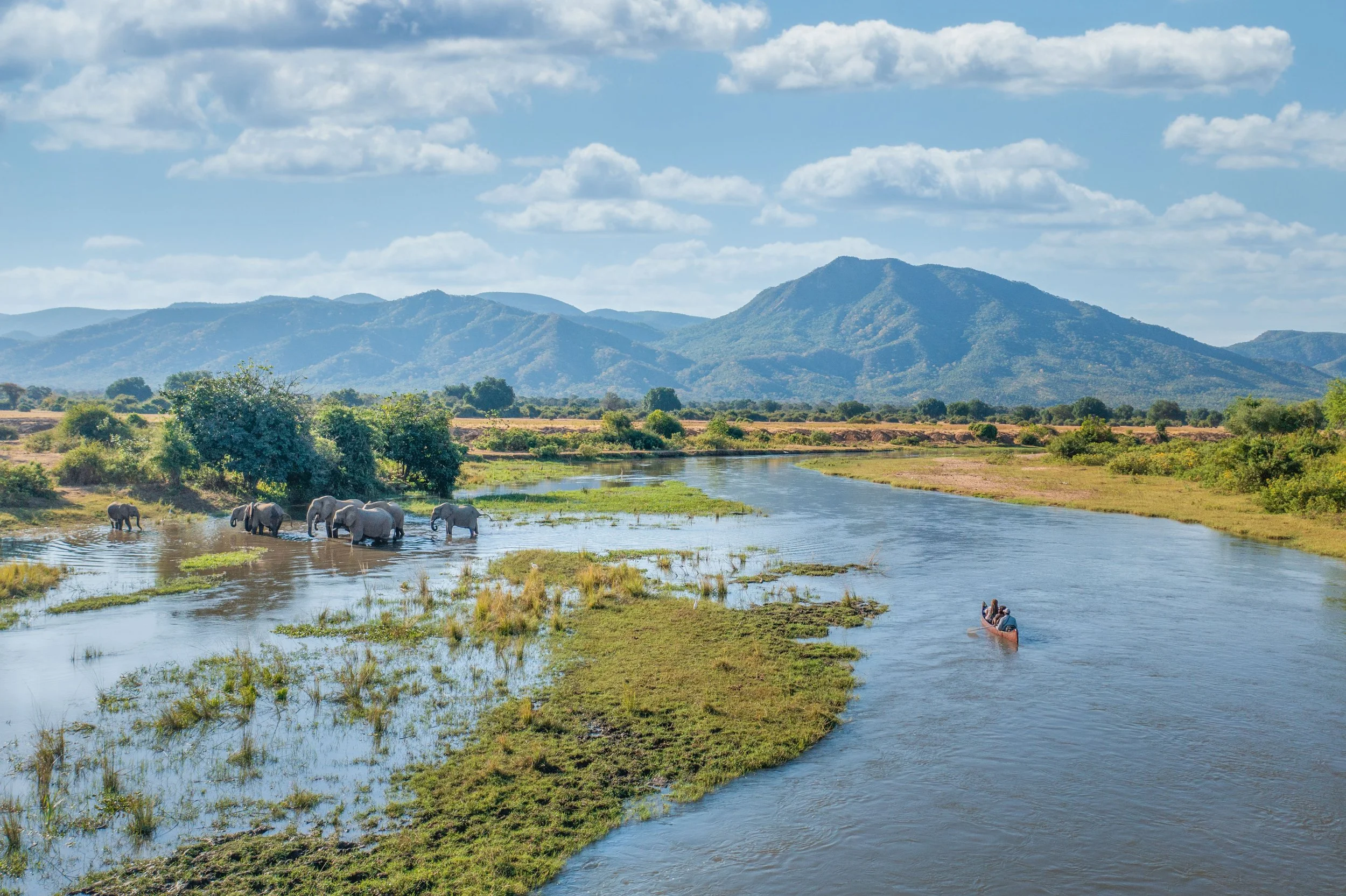
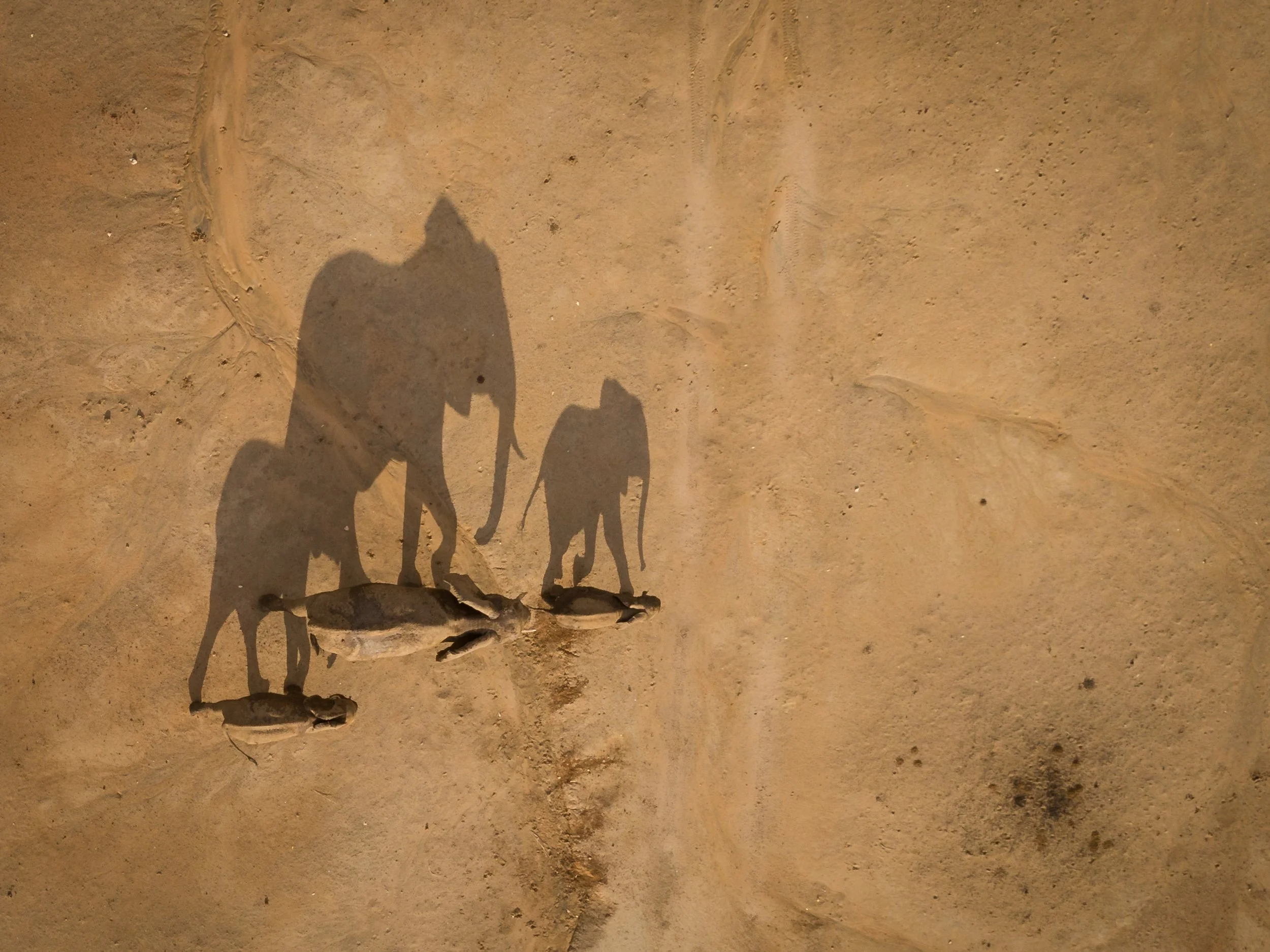
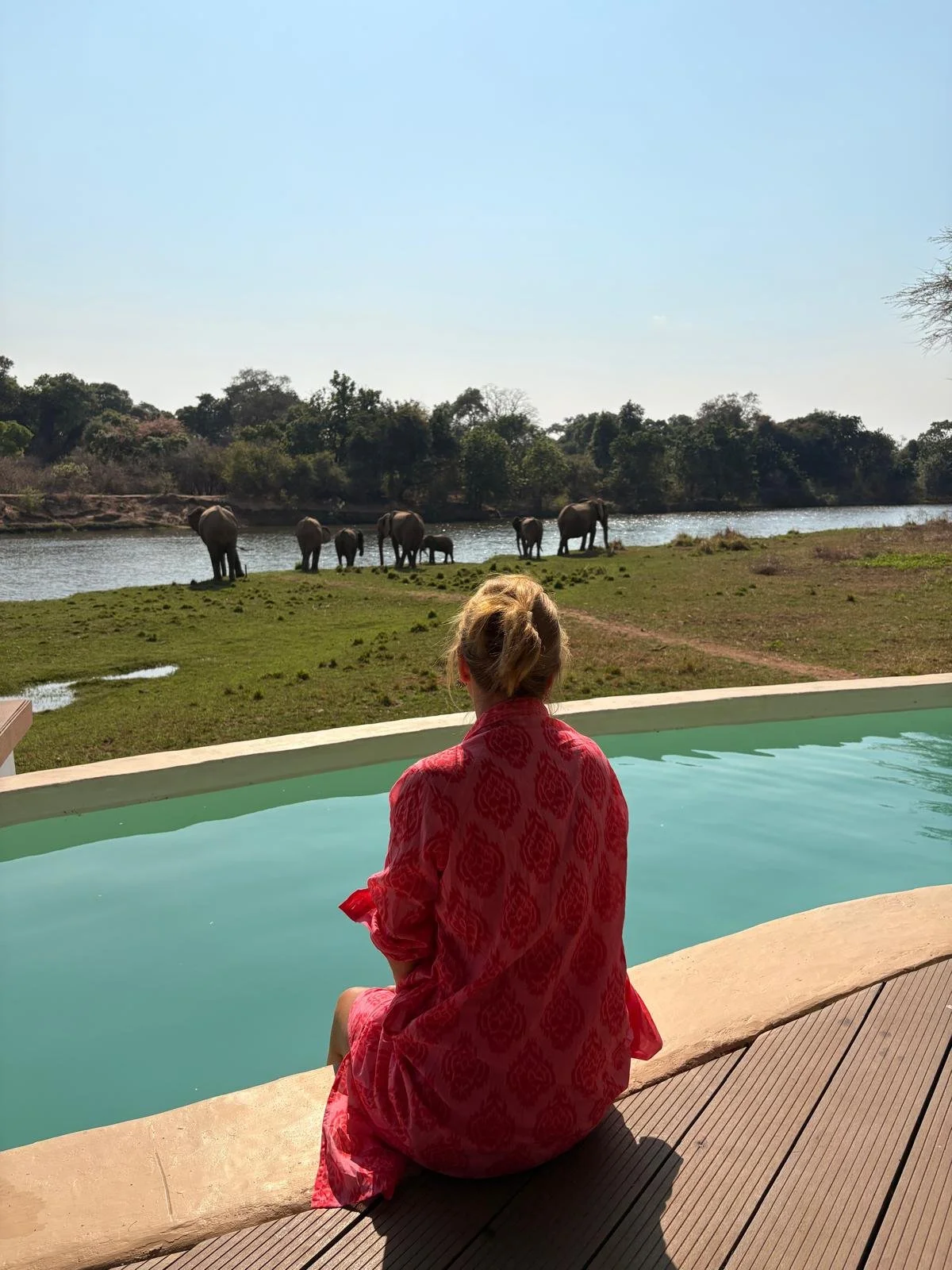
I travelled in October, one of the hottest months of the year, and it is worth being clear about what that means. This is not the season for cool evenings and crisp mornings. The heat can be relentless, the landscape is parched, and by midday the air seems to almost shimmer. But as the dry season reaches its peak, water becomes the most precious thing in the valley, and the Zambezi takes centre stage. Elephants wander down to drink, and the river becomes a lifeline for a remarkable concentration of wildlife.
It is raw and it is wild, and that, for me, is precisely what sets the Lower Zambezi apart.
A Wilderness That Still Feels Like One
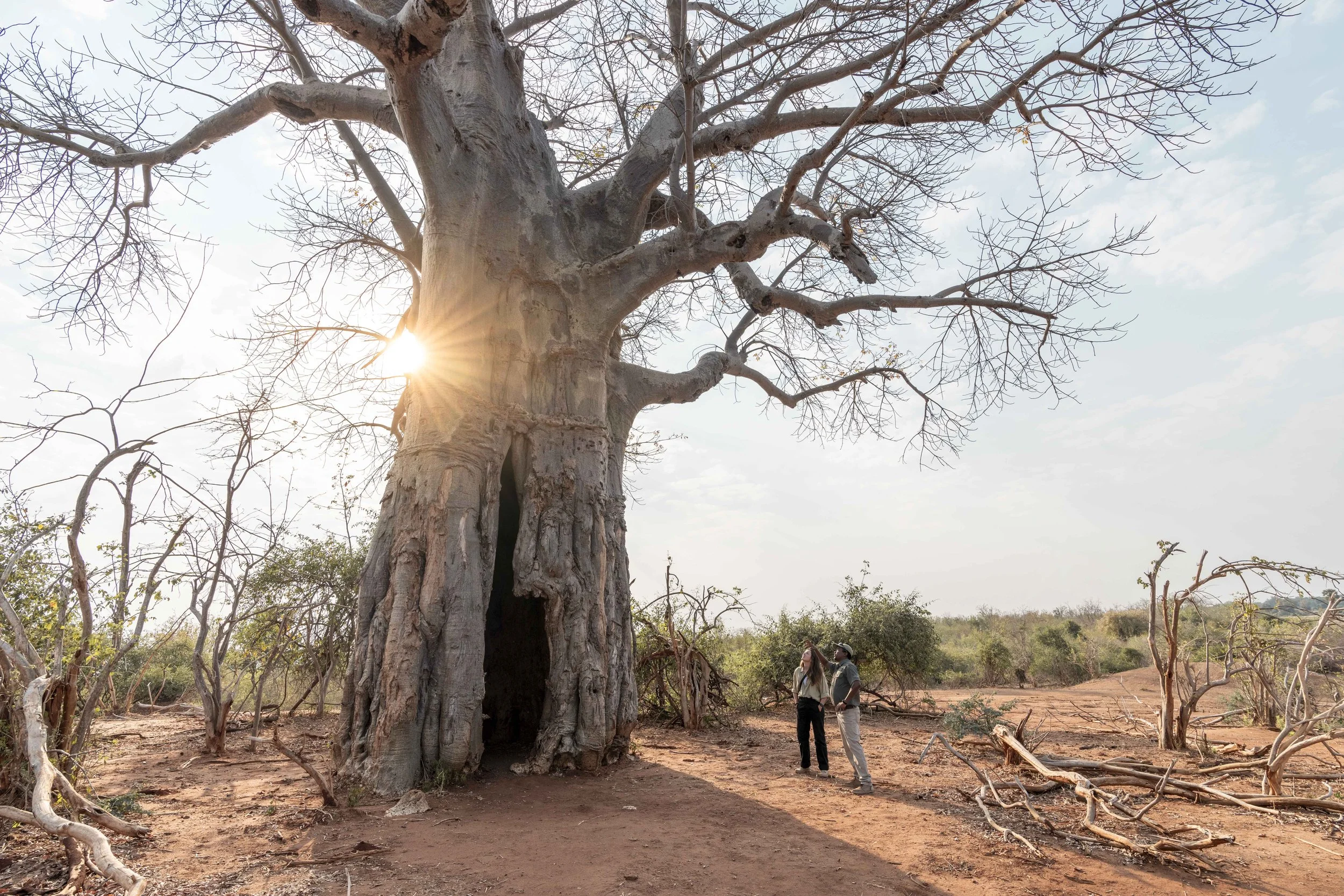
Unlike some of Africa's more established safari destinations, the Lower Zambezi keeps a real sense of remoteness. The landscape is dominated by the great river itself, with Zambia's Lower Zambezi National Park on one bank and Zimbabwe's Mana Pools National Park on the other. Around it lie towering winterthorn trees, old forest, sandy channels and broad floodplains.
There is something almost hypnotic about being out on the Zambezi towards the end of the day, when the fierce heat begins to soften and the light turns gold. Elephants move along the bank, hippos grunt in the water, and you take a sundowner as the sun disappears behind the hills. Few safari experiences give back so much.
What makes this part of Zambia particularly rewarding for me is the range of ways to explore it. Game drives, walking safaris, boat cruises, canoeing and catch-and-release tiger fishing each offer a different perspective on the same wilderness. It is this combination of land and water that makes a Lower Zambezi safari so compelling.
The Honest Case For October
The October heat should not be underestimated. Temperatures can climb well into the 40s, the evenings can remain very warm, and there were moments on this trip when I would have given almost anything for a cool breeze.
October has its rewards, though. With the surrounding bush dry and sparse, animals are drawn ever closer to the river and the remaining water sources, and the wildlife viewing can be superb. The landscape, too, has a drama at this time of year that the softer months do not.
Would I recommend October to everyone? No. For those who struggle in extreme heat, the best time to visit the Lower Zambezi is a little earlier in the season. But if you love the African bush in all its rawness and will accept some discomfort in exchange for what the month gives back, it is a deeply rewarding time to travel. And there’s always a swimming pool waiting back at camp for you!
Three Camps, Three Characters
This trip gave me the chance to return to the Lower Zambezi and see ten of its camps and lodges: alongside the three below, I visited Royal Zambezi Lodge, Old Mondoro, Time + Tide Chongwe Camp, Time + Tide Chongwe House, Sausage Tree Camp, Potato Bush Camp and Classic Zambia’s Kutali Camp. Each has its own personality, but three stayed with me.
Chiawa Camp: where everything works
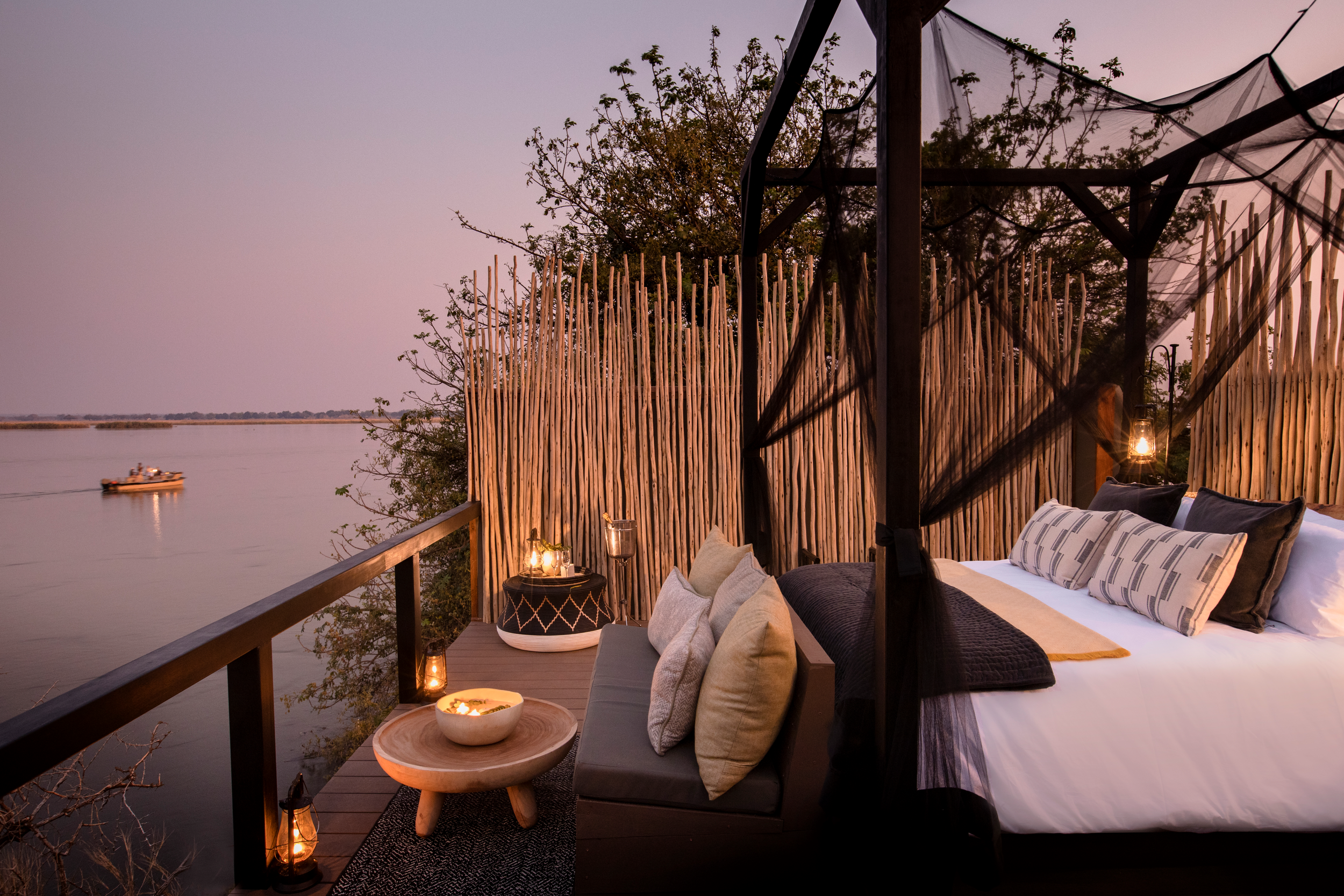
If I had to choose one camp, it would be Chiawa. Founded in 1989 as the first safari camp in the Lower Zambezi National Park, it has the quiet assurance of a place where everything simply works: the guiding is outstanding, the hospitality is warm and genuine, and the attention to detail never lapses.
What impressed me most was the people. Under Juliet's management there is a real sense of pride among the team, and it makes all the difference to a stay. Sundowners on the Zambezi, followed by a night drive in Chiawa's new safari vehicles, were among the highlights of my trip. For those drawn to sleeping beneath the African stars, the camp's Star Bed, a four-metre tower overlooking the river just downstream, is something rather special.
Chiawa and its sister camp, Old Mondoro, have recently become part of SUJÁN, the Indian group behind Sher Bagh in Ranthambhore, and a name I know and admire. Chiawa already sets a high standard, and I am looking forward to seeing what comes next.
Zambezi Grande: dinner on a sandbank
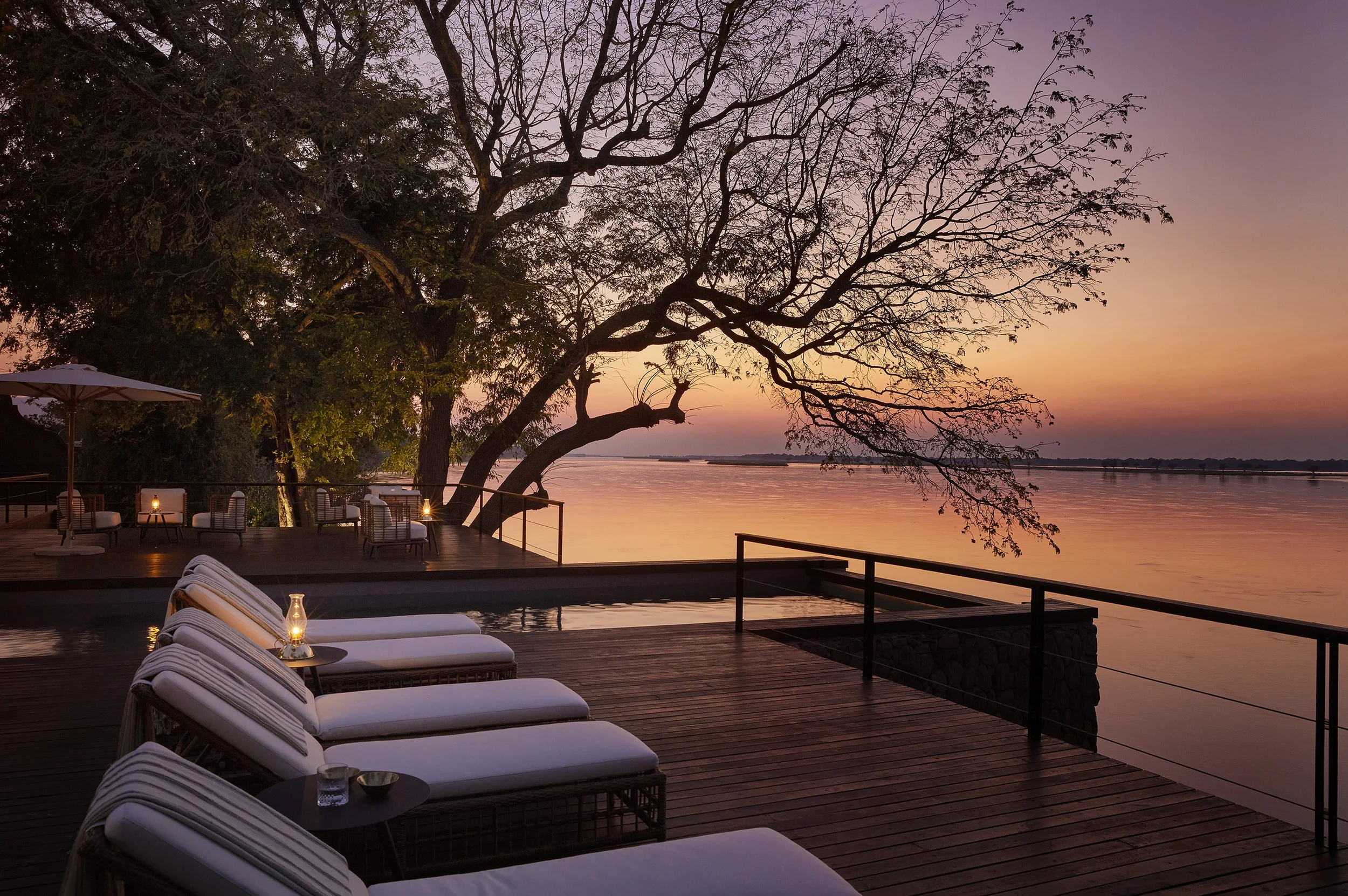
Zambezi Grande, a family-owned lodge of ten rooms and suites on the riverbank just beyond the national park boundary, was a welcome surprise. From the design of the rooms to the food and the service, everything felt thought through. Its boat, affectionately known as Gucci, offers a very comfortable way to explore the river.
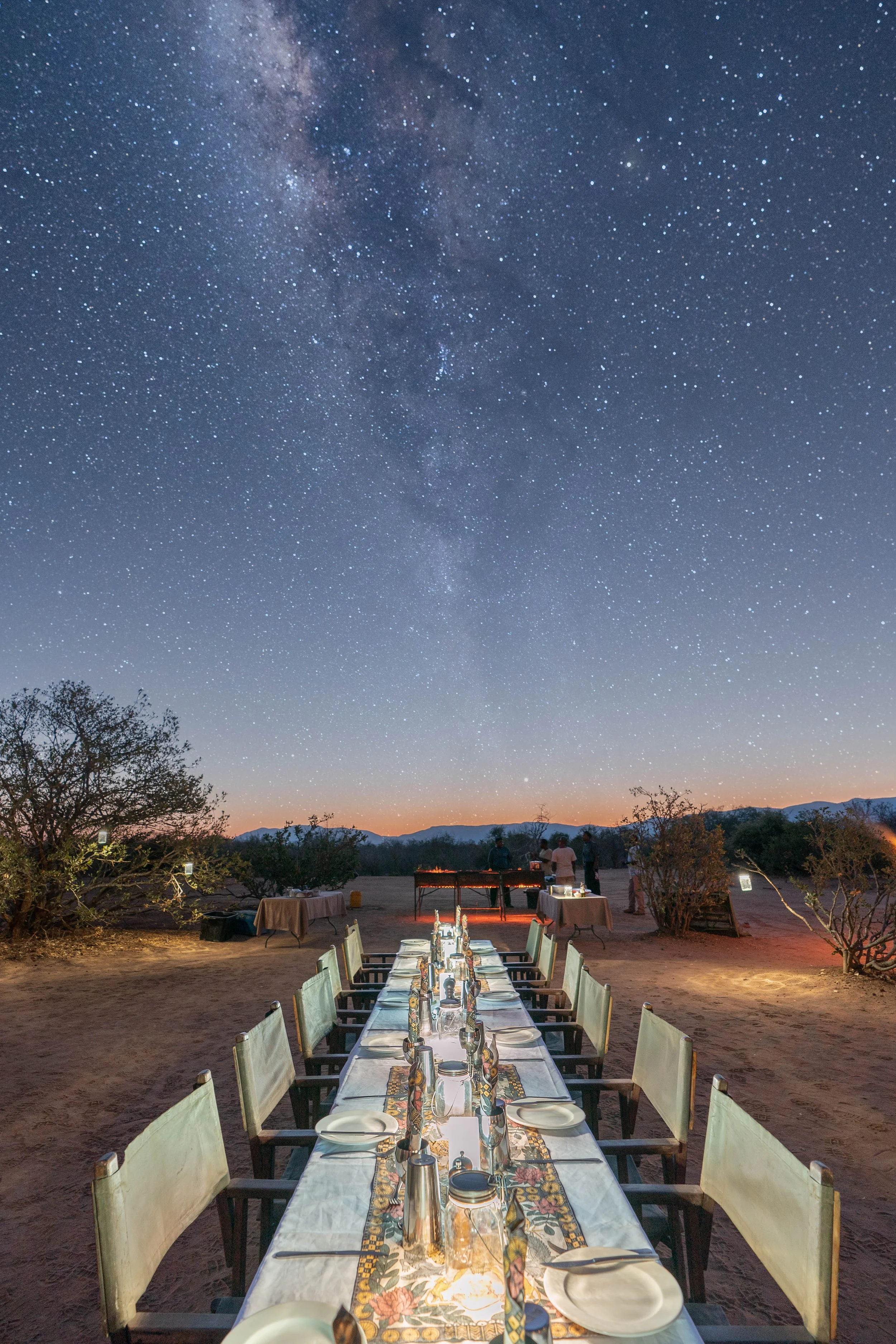
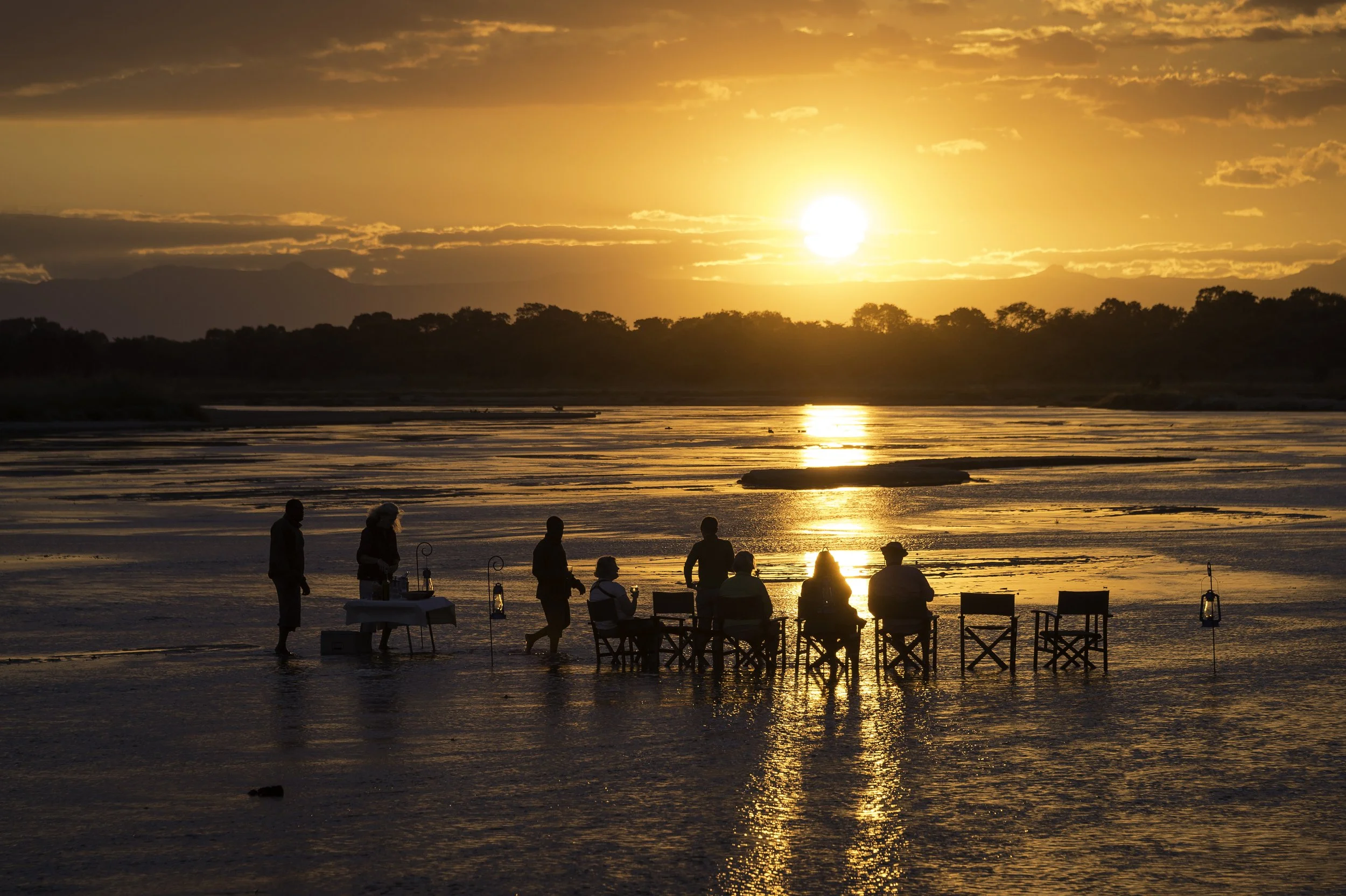
The moment I will remember, however, was a surprise dinner on a sandbank in the middle of the Zambezi. The boat came in as the sun began to set, and there was a table laid on a remote stretch of sand, with nothing around it but the sounds of the river. It was a reminder that luxury on safari has less to do with the accommodation than with moments like that one.
The lodge can also be taken on an exclusive-use basis, which makes it a natural choice for families or groups of friends travelling together.
Dulini Anabezi: an unexpected visitor
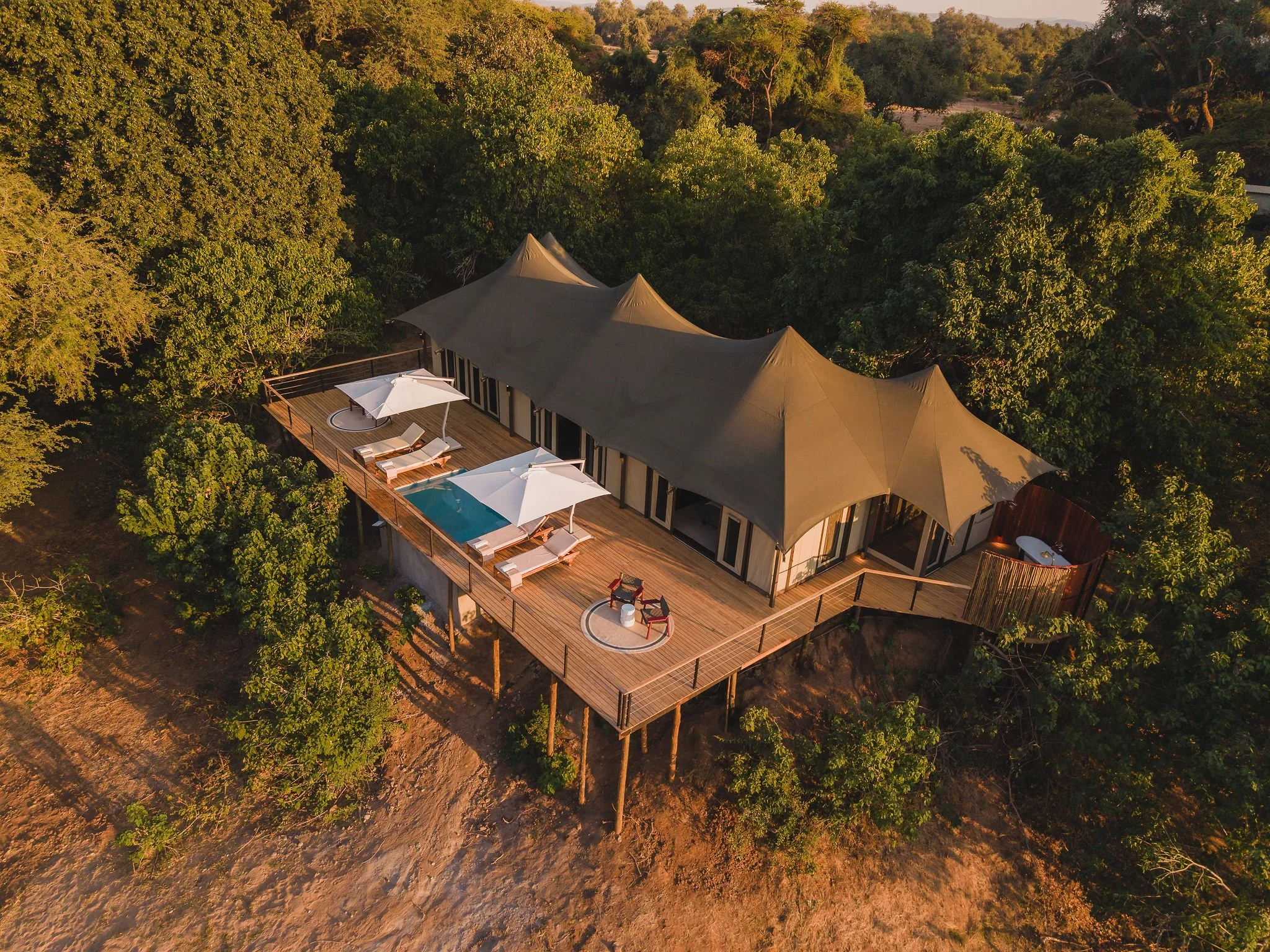
Dulini Anabezi, set among the winterthorns in the eastern part of the park, was the right place to finish. I have always admired the Dulini brand, which took on the camp at the end of 2024, and it was a pleasure to see it in Zambia. The tented suites, the food and the hospitality were all beautifully delivered.
But it was a rather unexpected visitor who made the stay. I returned from a massage to find an elephant wandering just outside my room, and this was no fleeting appearance. He seemed quite determined to investigate, circling my room a couple of times as though wondering whether I might open the door and invite him in.
I stayed safely inside. You can plan an itinerary with great care, choose your camps well and travel with fine guides, and the bush will still have the last word.
What A Stay Here Leaves Behind
It is easy to sit on a deck above the Zambezi and assume it has always been this way. It has not. When Chiawa opened in 1989, poaching was rife in the park, and it took years of sustained effort to push it back. In 1994, the camp's founders helped to establish Conservation Lower Zambezi, the non-profit whose work on wildlife protection, environmental education and community engagement continues today.
This is why the questions we ask of any camp carry particular weight here: who benefits from a visit, what does it help protect, and what does it leave behind? The elephants along that riverbank are there to be watched in large part because people have spent decades making sure of it.
“The greatest luxury in Africa has always, for me, been the chance to be somewhere genuinely wild, looked after by people who care deeply about the place they call home.”
The Journey In
Reaching Africa's more remote safari regions can seem daunting, and it is often the logistics that give people pause. On this trip I flew with Airlink, and came away impressed. It is an airline I am increasingly happy to recommend when designing itineraries in southern Africa, and good regional connections make a real difference, particularly when combining Zambia with South Africa. From Lusaka, a short light-aircraft flight carries you down into the valley, and the journey proves far more straightforward than most people imagine.
The Case For Slowing Down
Zambia has always held a special place in my heart, and this trip only deepened it. There is an understated quality to a luxury safari in Zambia. It is not about ticking off sightings or rushing from one animal to the next, but about settling into the bush, taking time with the landscape, and listening to the guides who bring it to life.
The Lower Zambezi fits naturally into a longer Zambia safari, perhaps combining the river with South Luangwa, Victoria Falls or a few days in Cape Town. Equally, there is much to be said for simply spending a week beside the Zambezi and letting its rhythms take over.
I came home hot, dusty, thoroughly inspired and already thinking about my next visit.
If Zambia has been on your wish list, or perhaps you have never quite considered it, I would love to help you discover this part of Africa. Please do get in touch.
Anna Walker Travel
Bespoke journeys across sub-Saharan Africa and the Indian Ocean
Thoughtful travel, tailored to you.